





Dan Cummins Chrysler Dodge Jeep Ram Georgetown

Blog / Car Tips

Car Detailing Dos and Don'ts

Corvette Being Car Washed

Many vehicle owners take pride in the appearance of their cars and want their vehicles to last a long time. To do this, they rely on car detailing. Car detailing is an important process for taking care of both new vehicles and used ones. It's possible to detail a vehicle yourself, provided you have the right tools and know what you're doing. Below, we offer some simple dos and don'ts to help you give your vehicle the look of professional detailing.

View New Vehicles View Used Vehicles

Do Wash the Vehicle Regularly

Image By Brian Lundquist Is Licensed With Unsplash License

One of the most important things you can do when it comes to car detailing is to do it regularly. To keep your vehicle in pristine condition and looking like new, you want to make sure dirt and other debris don't have time to settle into your vehicle. If you don't wash your vehicle regularly, it could become harder to clean or even wear off the paint finish on your car.

This is why it's a good idea to wash your vehicle every two weeks or so. If your vehicle is exposed to any rough conditions, such as from driving on muddy or dusty roads, you may want to wash it more frequently. You don't need to give the vehicle a thorough cleaning every two weeks if you don't have the time, but a quick wash can go a long way in preventing tougher buildup.

Don't Let the Vehicle Air Dry

A common practice after washing a vehicle is to allow it to air dry. Some people simply leave their vehicle to sit in the driveway until it's dry, while others go for a drive to let the wind do it. However, air drying can lead to watermarks being left on the surface of your vehicle. These marks can be challenging to remove and essentially waste the time you spend washing your vehicle.

Instead, you should use a towel to dry your vehicle. Opt for a fine microfiber cloth to prevent accidentally leaving any scratches on your vehicle’s shiny paintwork. You'll probably need several towels to dry the vehicle effectively. When wiping down the vehicle, move your hand in a figure-of-eight motion, starting at the top of the vehicle and working your way down.

Do Clean the Tiny Areas

There are many tiny areas on the exterior and on the inside of your vehicle that are easy to overlook. When you're spending the time to detail your vehicle, it's essential that you clean even those smaller areas. For example, when washing your car's exterior, be sure to clean the door handle thoroughly. Dirt can build up on the underside of the door handle, which means that when you rinse it off, this dirt can trickle down onto the door.

Other critical areas to pay attention to include the edges of your windows, underneath the wheel well, and around the license plates. Inside your vehicle, you can clean out areas such as your vents using compressed air, and a good strong vacuum can get those hard to reach places along the edges of the floor.

Don't Dirty Your Soap Water

When washing your vehicle, it's a smart idea to use two different buckets for water. One can contain just water, while the other contains your shampoo water. As you're wiping down your vehicle using the shampoo water, don't place the sponge back into that bucket. Doing so only takes the dirt from your vehicle and mixes it with your shampoo. Instead, rinse the sponge in fresh water, then dip it back into the shampoo bucket. This is a simple trick that'll help you clean your car more efficiently.

Do Invest in High-Quality Products and Tools

You need the right tools and products to take the best care of your vehicle. There are many car-detailing products on the market, but not all are created equal. You may not like the results if you opt for cheap products or tools. In fact, some products may even harm your vehicle.

Instead, invest in quality cleaning products and tools. It's often worth a little more expenditure to get the best quality cleaning rather than using sub-standard products more often. Our team can assist you if you're unsure of which products or tools to invest in. Visit the parts department at Dan Cummins CDJR of Georgetown, and our experts can advise you on what you need.

Don't Remove Wax With a Power Buffer

A power buffer is an excellent tool for applying wax to a vehicle. It results in an even coat of wax across the car and saves your arms from having to apply the wax manually. However, too many people also use the power buffer to remove wax. Removing the wax with a power buffer can lead to an uneven finish or even visible swirls. Instead, you should apply the wax with a power buffer, then remove it using a soft towel.

Do Check for Dirt Before Applying Wax

The best time to apply wax is after thoroughly cleaning the vehicle's exterior. This is because you don't want any debris on the vehicle's surface, as you could inadvertently scrub this in when applying wax. However, even after a good cleaning, some dirt could remain.

To check for dirt before applying wax, grab yourself a plastic bag. Stick your hand in the bag, then run it along the vehicle's surface. Doing so allows you to detect any dirt along the vehicle without leaving finger smudges.

Professional Car Detailing Products and Tools in Georgetown

If you want to take care of your vehicle, you'll need some cleaning products, including car shampoo, wax, sponges, and towels. You may also want to invest in tools such as a power buffer to make waxing your vehicle easier. Whatever it is you need, if you're in the Georgetown area, Dan Cummins CDJR is here to help. Our professional parts department has everything you need to detail your vehicle and our team can help you select the best products. To learn more, please contact us today or stop by our parts department at any time.

Posted in:

Related Posts

Snow Tires

Do EVs Need Snow Tires?

If you’re shopping for a new automobile, you’ve probably considered an electric vehicle (EV). Not only are they eco-friendly, but they’ll save you big at the pump. However, do these cars and SUVs need snow tires? Keep reading to learn whether EVs need a seasonal swap and why it’s important to have a set — even during Kentucky’s mild winters. Are EVs Different When It Comes to Tires? A Vehicle Leaving Tire Tracks on Snow Covered Ground by Karolina Grabowska is licensed with Pexels Despite its southern location, Kentucky has chilly weather, especially in January when the snow comes down. Having good traction during the colder months is essential when you have a long list of fun things to do in Lexington. But are electric vehicles any different than other cars? In some ways, yes. Where winter tires are concerned, weight matters. An electric version of your favorite gas-powered model could weigh as much as 50% more. This extra poundage places enormous pressure on your rims and tires. The added heft of the battery on your rear tires can also increase the chances of uneven wear over time. Are There EV-Specific S now Tires? As the demand for emissions-free vehicles increases, so does the need for tires that can handle your commute, even when snow, ice, and storms descend on Lexington. There are a few snow tires designed specifically for EVs. However, the best winter tires for traditional vehicles are usually good for electric-powered models, too. We recommend: Bridgestone Blizzak WS90 Confidently tackle harsh winter conditions with Bridgestone WS90’s superior ice control. Its large contact area helps improve performance in slippery conditions, particularly ice. In addition, this tire’s patented multicell technology provides enhanced road grip and reliable stopping power. You’ll also appreciate 30% more block stiffness for an extra season of wear. Michelin X-Ice Snow Extreme weather is no match for the Michelin Man. The X-Ice Snow tire delivers maximum mobility and safety with two types of full-depth 3D sipes. You’ll benefit from shorter stopping distances and exceptional traction with its increased claw effect and long-lasting biting edges. The best perk is that these snow tires have a six-year limited warranty. Pirelli Sottozero 3 The designers at Pirelli took into account the demands of environmentally friendly vehicles and developed a solution that achieves maximum performance in all weather conditions — the Sottozero 3 tire. It provides greater control in emergency conditions by holding air pressure even after a puncture. Look for the "ELECT" name on the sidewall to ensure you’re getting a product that Pirelli designed specifically for your EV. How To Select EV Snow Tires Today’s high-tech tires keep you rolling toward an emission-free future. Depending on which EV vehicle you’re driving, there are unique factors to consider when fitting it with winter tires, such as size limits. However, some standard features apply to most models, including: Load Index This numerical code indicates how much each tire can safely handle. For example, if you have a 6,000-pound hybrid, consider tires with a minimum load index of a quarter of this or 1,500 pounds. A load index of 95 for each tire should do the trick for that model. Rolling Resistance Rolling resistance is the amount of energy it takes to keep your tires moving. This factor is essential for electric cars because it means more miles per charge. After all, EV batteries tend to drain faster during the cold season. So, while you don’t need to reinvent the wheel, focusing on this aspect will help you achieve optimal performance on snow-covered roads. You’ll gain an increased electric range over varying road conditions while maintaining your car’s sustainability. Speed Rating Manufacturers also categorize tires by speed rating. This figure represents the optimal speed that the tire can safely maintain over time. For example, an "S" rated tire has a maximum speed of 112 mph, while an "H" rated option is good for 130 mph. Although you may think you’ll never drive your low-emissions vehicle that fast, there’s more to this number. The speed rating also measures grip, stability, construction strength, and quality of the rubber compound, so always opt for the highest speed rating you can afford. Budget Winter tires developed specifically for an EV’s unique characteristics are not the cheapest on the rack. However, they’re well worth the investment when you factor in safety, so grab your calculator and determine how much you can afford. For example, discount brokers may have a set of 15-inch Bridgestone tires for just over $100 a piece, but the same size Pirelli model will set you back $150 or more. Driving Habits How you drive is another element to consider when shopping for snow tires. Beyond the stress your electric car’s instate torque and acceleration will put on the tread, different driving styles and terrains can also affect the life span of your tires. Driving over winter potholes, downed tree limbs, or other debris can shorten the life of your tires and put you and your passengers in a precarious situation. When To Switch to Snow Tires With winter approaching, your thoughts have probably turned to your car’s tires, and for good reason. For many Kentucky drivers, switching to a winter set makes a lot of sense. Seasonal change-overs protect your expensive summer wheels from damaging salt and corrosion. However, you’ll want to consider your driving conditions before scheduling a snow tire swap, even when you drive an EV. Slippery roads make it vital to have tires with plenty of grip, but you don’t want to switch to a winter set too early in the season. If you do, you run the risk of shortening the rubber’s life. Electric-powered cars and SUVs have a reputation for wearing out tires faster than gas-powered vehicles because they deliver instantly high torque ratings. Putting on robustly treaded winter tires before there’s snow on the ground is a mistake because they may not be able to withstand the unique brand of punishment that EVs dole out. Consider getting yours mounted in October or November. Just remember to have it done before temperatures reach 45˚F at night. When it’s that cold, summer tires start to lose their effectiveness. There you go. The friendly folks at Dan Cummins Chrysler Dodge Jeep Ram of Georgetown put together this guide to EV snow tires to help you get through the winter with ease. What are your favorite places to drive during the chilly months? Let us know how and where you put your eco-friendly vehicle’s traction to the test.

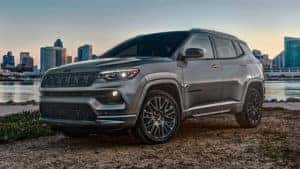
2022 Jeep Compass

The 10 Things Every Car Owner Should Know

You've passed your driver's test, and you now possess a driver's license. So, how about buying a car? Whether you opt for a sporty model or a roomy SUV, there's a lot to know about being a car owner. This article by Dan Cummins Chrysler Dodge Jeep Ram of Georgetown outlines the 10 best practices for maintaining your car's appearance, performance, and reliability. Schedule Car Service View New Vehicles Contents of an Owner's Manual 2022 Jeep Compass If you buy a vehicle from a reputable car dealership, your sales representative will probably give you a tutorial on how the car functions. They'll explain the vehicle's interior and exterior features and their benefits. However, this may be a little overwhelming for you as a new driver. Reading and understanding your owner's manual is vital to operating your car. When To Check Your Windshield Washer Fluid Ensure your driving visibility is clear by keeping your windshield washer fluid reservoir topped up. Dirt and debris can build up on your windshield, and a swipe of your wipers is not always enough to remove them. You can top off the reservoir yourself if you feel comfortable doing it. Underneath the hood, you'll find a twist-off cap with a windshield image on it. Most of them are yellow or blue. When To Change Your Oil Next to gas, motor oil is the most essential fluid for your car's performance, acting as a lubricant to keep the engine parts from rubbing up against one another, which helps prevent engine damage. Routine oil changes keep the engine clean. When a service department or mechanic shop changes your oil, the technician will typically check your car's other fluids. If you're unsure, a professional can suggest the right type of oil for your vehicle. They also may check the functionality of your windshield wipers, turn signals, headlights, and taillights. How To Check Your Tire Pressure You should check your car's tire pressure to ensure it is not too low or too high. When it's too low, friction occurs between your tire and the ground. If it is too high, the traction will be ineffective. If your car is not equipped with a tire pressure monitoring system, go to a gas station with an air pump and gauge machine. You should check all four of your tires. Your owner's manual will tell you where to find the recommended measurement. It may be inside the driver's door, glove compartment, or gas tank cover. Many people think it is displayed on the tire, but this value represents the maximum allowable air pressure. The recommended pressure is generally lower than the maximum allowable. How To Protect Your Car's Exterior Your car is an investment. Take pride in its appearance so you can easily trade it in or sell it in the future. Professional car detailers suggest waxing the body of your car to protect its coat from the sun. Doing this at least twice a year decreases the harsh effects of oxidation on the car's paint. A regular washing schedule is also important, especially during frequent snowfall. Rust can appear on the undercarriage of a car due to the salt on the roads. If possible, park your vehicle in a garage or covered driveway. Weather conditions of all kinds can cause fading paint, hard water stains, and engine damage. How To Protect Your Car's Interior To easily trade in your car or resell it, you must protect its interior. Running errands around town, taking road trips, and general commuting are just some of the ways we spend time in our vehicles. Are you a smoker? If so, do you smoke in your car or allow passengers to smoke? What about eating on the go? The inside of your car soaks up all kinds of smoke, greasy food smells, and everything in between. Some buyers will not buy a car from a smoker, regardless of how clean the interior is. Resist the urge to light up or let others light up in your car. The same behavior should extend to food. Good Driving Habits You can extend the life of your car by the way you drive it. Avoid taking off quickly from stop signs, driveways, and traffic lights. Doing so wastes gas and strains the vehicle's drivetrain. You should alternate your driving speed between moderate acceleration and engine revving. Steer clear of potholes and rough patches in the road, as they can cause irreparable damage to your tires, exhaust, and suspension. When approaching a speed bump, reduce your speed so you drive over it smoothly. This lengthens the life span of your shock absorbers and steering components. Keep an Emergency Kit in Your Car You may experience a car breakdown at some point. Whether you run out of gas, get a flat tire, or deplete the battery, be prepared for an emergency. Keep a first aid kit, flashlight, and blanket in the vehicle. Quick snowfall can deter drivers on long stretches of highways, causing backups and long waits. A set of jumper cables can be a saving grace when your car won't start. Even if you are unsure how to use them properly, there may be someone around who can help. On that note, join a motor club, such as AAA, for possible roadside assistance. Organize Your Records Keep your car registration, insurance documents, and owner's manual in your glove compartment. Also, hang on to your receipts from any maintenance or repairs done to your car. This will help you recall the what, when, and where regarding your car. Regular upkeep is beneficial, and keeping records will mean you have the accurate information you need. Location of a Reputable Mechanic Shop Some of the how-to's on this list may be things you can learn how to do yourself. However, knowing where to find a reputable mechanic shop will save you time, money, and headaches. Mechanic shops also have the tools and supplies you don't have immediate access to for services such as tire rotation and alignment. A comprehensive list, huh? These are just some of the basic things every car owner should know. We at Dan Cummins Chrysler Dodge Jeep Ram of Georgetown are here to serve you. Stop by our dealership today, or contact our staff with any questions you may have.

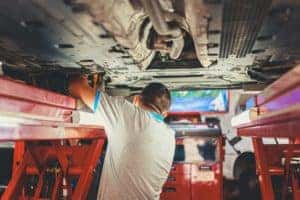
Mechanic fixing a car

How Often Does a Vehicle Need To Be Inspected?

Every vehicle owner knows that sometimes they have to bring in their car for inspection. There are different kinds of inspections your vehicle may need, and it's important you get them done at the right time. Read on to learn how often a vehicle needs to get inspected and better understand the different types of inspections and why they're important. Schedule Vehicle Inspection Services The Importance of Regular Vehicle Inspections Image by Enis Yavuz is licensed with Unsplash License There are several reasons you need to get your vehicle inspected. Perhaps the main one is to comply with local laws, and each state has its own laws regarding required vehicle inspections. Some of these inspections help to ensure all vehicles on the road are safe, while others aim to combat theft and fraud. If you fail to comply with these inspections, you could face penalties, such as fines or license suspensions. Another important reason to bring your vehicle in for an inspection is to identify any potential issues. One of the best ways to ensure that your vehicle lasts a long time is by carrying out regular maintenance and addressing issues before they get too big. Through inspections, you can learn what you need to do to keep your vehicle in great shape. This can also help you save money, as it's often more affordable to maintain a vehicle than it is to repair one. Finally, regular inspections can help your vehicle retain its value. When it comes time to sell, you'll want to get as much for your vehicle as you can. Potential buyers will pay more for a vehicle that's gone through all the proper inspections, as this shows it's in good shape and that they are legally allowed to drive it. Types of Vehicle Inspections There are three different types of vehicle inspections you should know about. These are: Safety Inspections During a safety inspection, a trained technician looks at your vehicle's vital systems. The goal of a safety inspection is to ensure that your vehicle is safe to operate on the road. This protects not only you as the driver of the vehicle but also other motorists on the road. While some states require regular safety inspections, Kentucky is not one of them. However, it's not a bad idea to bring in your vehicle for a basic safety inspection every few thousand miles to ensure that it's running efficiently and you're safe on the road. Emissions Inspections Emissions inspections are carried out to help improve air quality. They check to make sure your vehicle's emissions are below a certain level. Since vehicle components can wear down over time, it's more important to check for these emission levels on older vehicles. Currently, some states have emission inspection requirements, though they may depend on the particular city or age of the car. Some vehicles may also be exempt, such as electric cars that don't produce emissions since they're more environmentally friendly. Kentucky doesn't currently require an emissions inspection. VIN Inspections Finally, there are VIN inspections. VIN stands for vehicle identification number. Every vehicle has its own unique VIN, which helps to track vehicle ownership. The purpose of a VIN inspection is to prevent fraud, which includes grand theft auto and parts fraud. This is an inspection that the state of Kentucky requires. When you register an out-of-state vehicle within the state of Kentucky or when you reconstruct a vehicle out of one or more vehicles, it needs to go through a VIN inspection. This helps Kentucky prevent the trafficking of stolen vehicles and parts. How Often Does a Vehicle Need To Be Inspected? Now that you know about the different types of inspections, the question is how often you need to have your vehicle inspected. Legally speaking, you are only required to get a VIN inspection if you purchase a vehicle from another state or if you're reconstructing a vehicle. You'll want to go through this VIN inspection right away, as failure to do so could result in penalties. As for safety and emissions inspections, Kentucky doesn't require these by law. However, it's a good idea to bring your vehicle in for inspections anyway. Having a certified technician inspect your vehicle every 5,000 miles or so can alert you to any potential problems and help to ensure your vehicle continues to run efficiently. These inspections can also make sure your vehicle isn't polluting the air too much, which will help the surrounding environment. For a more accurate time frame, check your owner's manual. Every vehicle has a recommended service schedule that owners should adhere to. For example, some Chrysler models recommend bringing a vehicle in for maintenance every 3,500 miles. Your owner's manual can tell you the best times to bring your vehicle in for inspection and maintenance. If you can't find your owner's manual, our team can assist you. A small time commitment now can save you a lot of hassle and money in the future. Get Your Next Vehicle Inspection at Dan Cummins CJDR of Georgetown When you're in need of a vehicle inspection, head on over to Dan Cummins Chrysler Dodge Jeep Ram of Georgetown, Kentucky. At our service center, we have certified technicians who can provide a thorough multi-point inspection of your vehicle. We'll identify any issues you may need to be aware of and suggest ways to address them. With our help, you can keep your vehicle on the road for a long time to come. To get started, you can schedule a service appointment online or contact us to schedule one over the phone. We'll work with you to find a time that's convenient for you. If you need help paying for repairs or maintenance, check out our service and parts financing. Finally, if you want to perform any repairs yourself, you can check out our parts department to get all the high-quality parts you need. For more information about the required inspections in Kentucky, when you should bring your vehicle in, or what's included in a multi-point inspection, feel free to contact us at any time.