




Dan Cummins Chrysler Dodge Jeep Ram Georgetown

Blog / Used Cars

Blog

All Used Cars Local Ram Trucks Jeep Jeep Model Features Local News & Events Ram Car Tips Jeep Features Ram Dealer Near Me RAM Model Features Jeep Dealer Near Me Chrysler Dealer Near Me Discontinuing Dodge Jeep Dealer Near Shelbyville Jeep Wrangler Dealer Near Lexington Jeep Wrangler for Sale Near Independence Lexington KY New Vehicles For Sale Ram 1500 for Sale Ram 1500 for Sale Near Independence Ram 1500 for Sale Near Lawrenceburg Ram 2500 for Sale Ram 2500 for Sale Near Covington Ram Dealer Near Shelbyville used car dealership in Lexington Used Jeep Gladiator Used Jeep Grand Cherokee Used Ram 1500 Used Ram 1500 For Sale Used Ram Dealership In KY Used Trucks For Sale Used Vehicles Article bad credit car dealership car dealerships in Georgetown Chrysler Commercial RAM Trucks Comparison County Parks Dodge Dealership Dodge Journey Dealer Frankfort Jeep Dealer Georgetown Used Cars Georgetown Used Truck Dealer Jeep Compass for Sale Jeep Dealer Jeep Dealer Near Covington Jeep Grand Cherokee for Sale Jeep Wave Program Jeep Wrangler dealership Jeep Wrangler for Sale Kentucky Used Car Lot Lexington Jeep Dealer Lexington Pre-Owned Jeep Dealer Lexington used car lot Liquid Diamond New Cars In Stock Near Me Performance Ram Dealer Ram Dealer Near Covington Ram Dealer Near Independence Ram Dealer Near Lexington Ram TRX dealer in Kentucky Review Snow Prep Used Car Dealer in Lexington Used Cars Near Me Used Chrysler in Lexington Used Dodge Challenger Used Dodge Dealership Used Dodge Journey Used Jeep Dealer In KY Used Jeep Dealership Used Jeep Wrangler Used Jeep Wrangler for Sale Used Jeep Wrangler Rubicon Used Jeeps Used Ram 2500 Used Ram Dealership Used Ram Truck Dealership in Lexington Used Ram Trucks in Lexington
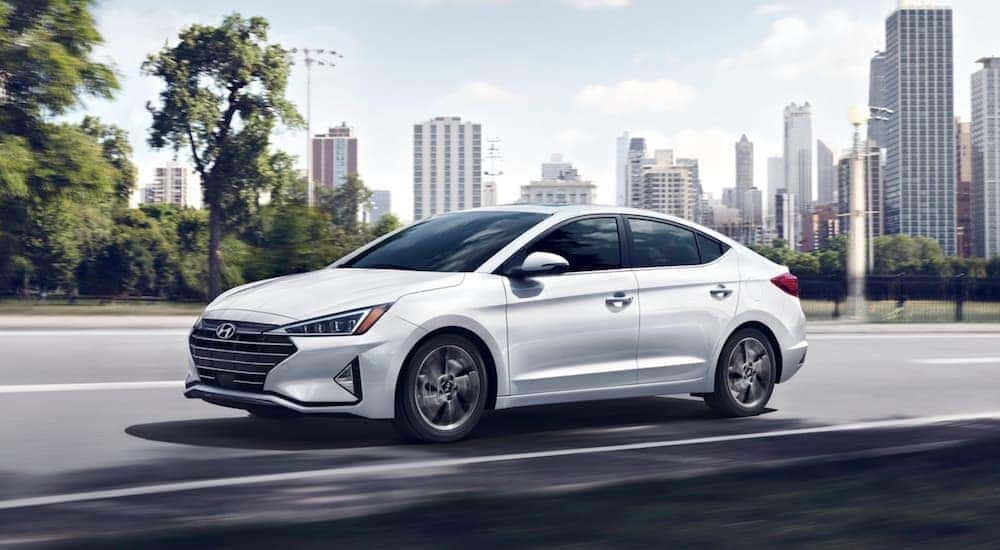
A white 2020 Hyundai Elantra is shown driving on an open road past a city.

Sedan Central: 5 Great Used Sedans to Consider

View All Used Vehicles Are you looking for a new car but aren’t sure where to start your search or how to find the best sedan for your driving and budget needs? It’s time to call in the professionals. As your Lexington used car lot, the team here at Dan Cummins Chrysler Dodge Jeep Ram is ready to help you find a great used sedan. The first part of finding a great sedan is knowing what to look for on the lot. With the used vehicle market seeing around 39.3 million sales in 2020 alone, it’s safe to say that you have plenty of options. But sometimes, having too many options can be overwhelming. We’re here to save you time and money by sharing 5 of the top-selling used sedans in the industry. From models like the affordable Hyundai Elantra to the best-selling Honda Accord, you’ll find a sedan that’s perfect for you right here on the list; we guarantee it! #1 - Hyundai Elantra Since its founding in 1967, Hyundai has consistently delivered reliable vehicles with advanced technology while simultaneously modernizing and mobilizing its native South Korea. In America, Hyundai’s innovation is apparent in its best-selling model, the Elantra, which was introduced in 1990. Over the last three decades, the Elantra has transformed from an ugly duckling into an elegant swan, which is what makes this sedan one of the best deals you’ll find on the used lot. The Elantra’s sophistication is truly apparent when you shop for models from the sixth generation, which runs from 2015 to 2020. Keep an eye out for a 2019 or 2020 Elantra since these models boast many of the same connectivity, safety, and driver-assist tools as the new seventh-generation Elantra. Hyundai also added the Sport trim to the Elantra lineup in 2017, which is great if you’re looking for more horsepower and a more performance-focused experience behind the wheel. #2 - Nissan Altima Spacious, efficient, and safe are three words that aptly describe the Nissan Altima and are part of what makes the sedan a top seller on both new and used lots. Introduced in the early 1990s, the Altima’s evolution has been impressive, with its first-generation model offering head-up display technology that was rarely seen in sedans at the time. The second generation introduced side airbags, while the third generation truly put the Altima on the map when it was named the 2002 North American Car of the Year. The sixth-generation Altima was introduced in 2019 and is a great buy since it’s the first Altima to offer intelligent all-wheel-drive, which boosts its capability and handling on a variety of terrain and in various weather conditions like snow, sleet, and rain. If you want to save even more on the sticker price, check out a newer, fifth-generation (2013-2018) model. The 2018 Altima added connectivity tools like standard Apple CarPlay and Android Auto integration while building on the sedan’s best-selling features like the exclusive Zero Gravity seats that put you in the perfect seating position when you’re in the driver’s seat. #3 - Honda Accord Following the widespread success of the Civic, Honda set out to reshape the segment with a larger sedan designed with families in mind. The Accord made its debut in 1977 as a two-door hatchback powered by a 1.6-liter engine that delivered just 68 horsepower. Despite its modest power, the Accord was quick to respond, insanely efficient, and reasonably spacious. This combination earned it high praise across the board and ignited the evolution of the Accord over the next ten generations (and counting). Honda unveiled the tenth-generation Accord in 2018, which makes this model a great option if you’re looking for a newer sedan with all the latest technology and safety features. When shopping for the 2018 Accord, keep in mind that the sedan comes with either a 1.5-liter turbocharged engine that produces 192 horsepower or a 2.0-liter turbocharged engine that boosts the Accord’s power to 252 ponies. For drivers looking for a more eco-friendly option that’s also affordable, look for a used Accord Hybrid, which was first introduced in 2018. #4 - Toyota Camry With a name derived from the Japanese word for crown, the Toyota Camry undeniably wears a crown in the automotive industry after outselling every other midsize sedan in America since 2002. By the 1970s, Toyota was the top-selling import brand in America and set out to take its reputation to the next level with the debut of the Camry in 1983. The all-new, front-wheel-drive, four-door sedan marked Toyota’s debut into the segment of midsize cars and positioned the Camry at the starting line of a fierce race against rivals like the Honda Accord. One of the many great things about the Camry is that it’s built to last, which means these used sedans still have plenty of life left in them. Since Toyota redesigned the Camry for its eighth-generation debut in 2018, we recommend keeping an eye out for models built since then. These Camrys also offer a wide array of standard safety and connectivity tools like Apple CarPlay that allow you to stay connected without taking your focus from the road. #5 - Chevrolet Malibu As one of the longest-running nameplates in the Chevy lineup, the Malibu is a fitting way to wrap up our list. The Malibu was first introduced in 1964 as a top-tier trim for the Chevy Chevelle before it became a model in its own right in the 1970s. This prompted its entry into the NASCAR circuit, where it graced the winner’s circle 25 times between 1973 and 1977. By the early 1980s, the Malibu evolved into a smaller sedan, and declining sales led to a 14-year hiatus until the Malibu’s return in the late 1990s. Since then, the Malibu has continuously evolved to meet the demands of drivers looking to get behind the wheel of Chevy’s iconic sedan. With such an extensive history in America, there are plenty of Malibus to choose from on the used lot, and that means you’ll have to narrow down your search even further. If you’re looking for the latest features and technology but don’t want to pay the sticker price for a new Malibu, look for a 2019 model. Chevy refreshed the Malibu in 2019 and added the sporty RS trim to the lineup. You’ll also find the 2019 Malibu is equipped with Apple CarPlay and Android Auto, as well as Chevy’s exclusive Teen Driver technology, which makes it a great option for families with young drivers as well. What’s Your Pick? Did you know that buying a used vehicle is one of the wisest financial decisions you can make? New cars start depreciating (losing their value) the moment you drive them off the lot. When you buy an older model, you’re avoiding this initial depreciation and keeping more money in your wallet. You’ll also find that you can likely afford a better-equipped sedan off the used lot than paying that new-car price. These benefits are just the gateway to everything that buying a used sedan has to offer. Yes, there are even more perks to shopping for a pre-owned model! Now that you know five of the best used sedans in the industry and what to look for on the lot, it’s time to start shopping. Pay us a visit, take a few test drives, and find the best used sedan for your needs and budget.
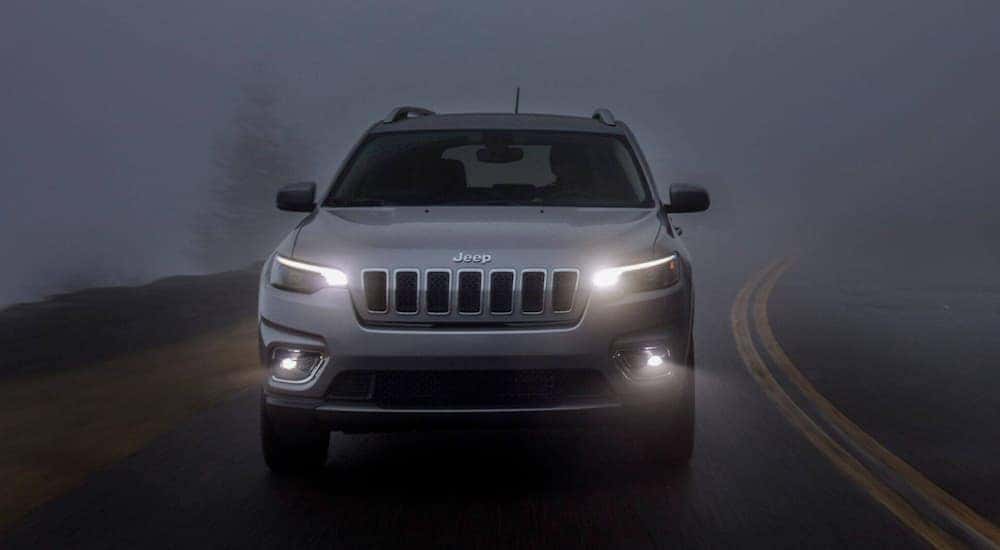
A grey 2019 Jeep Cherokee is driving on a dark foggy road near Lexington, KY.

Top 10 Safety Features to Look for in Used Cars

Safety is an ever-present concern when choosing a new or used car. No one wants to drive a death trap or let family members get behind the wheel of a potentially dangerous vehicle. The desire to buy a safe vehicle might lead you to wonder, what are the most important safety features in a used car? Car owners already know about seat belts, which are mandated by federal law and required for passengers to use in most states. Airbags likewise are well-known safety devices already included in passenger vehicles. The number of airbags and their configuration can make a difference in safety, as does the ability to disable some airbags to prevent potential injury to small children and other vulnerable passengers. When it comes to current and recent production cars, a wide range of electronic safety features make them even safer. Here is a look at the ten most important safety features in a used car. 1 - Automatic Emergency Braking A rear-end collision can be very dangerous and cause significant injuries or worse. They also can cause a great deal of property damage, resulting in costly repairs and totaled vehicles. Automatic emergency braking detects when objects are in the way. The brake system then automatically slows the vehicle and brings it to a complete stop when necessary. It is especially useful when combined with ABS, which is already included in virtually all production vehicles. 2 - Blind Spot Detection Turning the car and changing lanes requires attentive drivers to check the mirrors and blind spots to ensure no vehicles or anything else might be in the way. That means human error becomes a huge factor in whether or not a simple change in direction leads to an accident. Blindspot detection automatically tells drivers when vehicles are in the blind spot. 3 - Electronic Stability Control Rollover accidents are especially deadly and cause a lot of property damage. Higher vehicles like SUVs and pickup trucks are especially prone to rollover accidents, but virtually any passenger vehicle could wind up in a rollover accident as well. Electronic stability control helps to reduce the potential for rollover accidents by automatically applying the brakes in specific patterns to bring the vehicle safely back under control. That helps to stop tall vehicles like SUVs or pickups from rolling over and makes all vehicles more stable and controlled under varying driving conditions. 4 - Lane Departure Warning/Lane-Keeping Assistance You have to keep it between the lines to drive your car safely. Lane departure warning helps to prevent accidental lane drift by sounding a warning. Lane-keeping technology goes even further by automatically correcting accidental lane drift. That is especially helpful when a driver might reach for an item or turn the steering wheel slightly while looking to the right or left. 5 - Adaptive Cruise Control Driving on the freeways is a breeze when the roadway is clear and you can use cruise control to maintain a constant pace. But when traffic builds up, then cruise control can become a problem if you have your foot off the brake or gas pedal and another car gets in the way. Adaptive cruise control solves this by automatically slowing your car to match speeds with the vehicle in front of you. Some more advanced systems can even bring you to a full stop when required. 6 - Rear-View Camera If we had eyes in the back of our heads, then nothing could sneak up on us. With a rear-view camera, you have eyes in the back of your car that will warn you when cars, people, or objects are in the way while backing up. This makes it far easier to safely back into or out of tight areas - especially when the system includes multiple camera angles for a perfect view of your surroundings. 7 - Parking Assist Fender-benders often happen when parking vehicles or pulling out from a parking spot. Parking assist can monitor the side, front, or rear of your car to let you know when all is clear. It is like having three sets of eyes closely watching your vehicle to make sure you do not back into another vehicle or other object and cause damage. It also helps to protect pedestrians who might wander into a blind spot while you are parking the car. 8 - Voice Control Distracted driving is one of the primary causes of deadly accidents on U.S. roadways. Many drivers become distracted when they take their eyes off the road to adjust the stereo or heater and air conditioning systems. Just a few seconds of inattention can be enough to cause a devastating accident. Voice control greatly reduces the need to take your eyes off the road while enabling you to keep two hands on the wheel. 9 - Adaptive Headlights Adaptive headlights automatically adjust as you turn to illuminate where you are going. The ability for the headlights to shift the beam to the most useful area for the drive makes it a lot easier to avoid hidden obstacles while negotiating turns. Potholes, patches of ice, and other potential dangers are much easier to spot and avoid. Adaptive headlights also are extremely beneficial in areas where car-deer accidents occur at relatively high rates. 10 - Tire Pressure Monitoring A bad tire can lead to a bad accident if it goes unchecked. Tire pressure monitoring systems are relatively common and warn drivers when one or more tires are running on low air. The systems give accurate readings for all four tires and will flash a warning when one begins losing air. That can help a driver know if a foreign object or other problem is causing air loss and fix it as soon as possible. Additional Benefits of Special Safety Features The safety features listed above and others have proven results in reducing accident rates. Some systems are especially effective, like lane departure warnings. The Insurance Institute for Highway Safety (IIHS) says vehicles equipped with such safety features on average suffered 11 percent fewer head-on, sideswipe, and single-car accidents. Injuries from those accidents were reduced by 26 percent among 5,000 accidents studied, according to the IIHS. Even more telling, the IIHS says there are about 6 million car accidents each year. If all passenger vehicles on the road in 2015 had lane-departure warning technology, the IIHS says about 55,000 fewer injuries would have occurred during those accidents. Unfortunately, a relatively small number of vehicles come equipped with such technology, although the number is growing each year. It is unlikely a used car buyer will find one for sale that has all ten special safety features listed above, but several models likely will include several of them. That could make your used car purchase a much better deal by providing safer transportation. About the only downside of the special safety equipment is the additional cost to repair them if you do wind up in an accident or a mechanical failure occurs. But the higher price to repair damage to cars with safety features can be offset by lower auto insurance costs. When they prevent an accident from happening, you generally do not need to worry about the cost to repair any damaged sensors, cameras, radar equipment, or other components that comprise the advanced safety features. To get a better idea of how these valuable safety features function, feel free to drop by our Lexington area dealership. Here at Dan Cummins, you will find a wide variety of used vehicles sporting the above safety features, and a knowledgable team that can demonstrate how they work. It is time to embrace technology and make your driving experience safer than ever before.

Rows of used cars are shown with a focus on the trunks.

Used Car Buyers Guide to the Galaxy

Used car ads are everywhere nowadays. Often, it seems that the term used car is employed to have individuals who are interested in a great deal check out vehicles they may never have given a second thought to buying beforehand. It often makes you wonder what is considered a used vehicle? A used car is a vehicle that has had previous retail owners. A car is legally considered used once it has been registered. Regardless of how many miles are on it, if the vehicle has yet to be registered, it would be considered new. If you are looking for a vehicle that is going to keep running for a long time at a very low price, you may want to consider used cars that were built within the last 20 years. Vehicles older than 20 are bound to produce issues quickly, and the problems will keep building up as you drive the car more. The fact of the matter is, if you are searching for used cars, you probably are searching for a fair trade-off between price and performance. While finding deals can be tough with so much transparency out there, it’s not impossible to do. This is especially so if you go to a dealership with an inventory that is constantly updated, such as Dan Cummins of Georgetown. But you may be better off by picking up some knowledge of the used car market before trying to find potential deals. That’s why we’ve put together an article to help you with your journey into a better understanding of used cars and the buying process behind them. What to Look For When Buying Used Cars While we may all go through the used car buying process a few times in our lives, we may not be entirely clear as to what is good practice when buying used. The following is some great information for individuals in various buying situations. While some information may pertain to individuals purchasing from private individuals, the general advice applies to those purchasing from dealerships too. The first thing to make sure of is that the title is clean and is in possession of the seller. Truly, you don’t want to give any payments before you have seen the title and made sure that there are no liens or funny business, such as “not for highway use” or “for salvage.” The next aspect to consider when buying a new car is to evaluate the service records. If you go through the history of the vehicle, you should get a good sense of whether it has been kept up over the years, or if it has been allowed to fall into disrepair. Another easy thing to spot is the oil sticker; is it even there? If the previous owner has done their own oil changes, you can ask what type of oil they used, and if they’ve been keeping track of it. You should also consider the length of ownership on the title. If the previous owner only had the car for a few months, you may want to question why they are so hasty to sell it. It could be a sign something is wrong, or it could be as simple as they are leaving the state for business. If you don’t ask, you’ll never know the whole story. The previous sections involve looking at the history of the vehicle. This can be done on your own, of course, but many use online tools such as CARFAX to do the dirty work for them. CARFAX can be an important step in checking out used cars because it gives a summary of the history of a particular vehicle. If the information has been reported correctly, you can view the car’s history of repairs, collisions, and more all in one place. CARFAX also displays the mileage on any given car. It is imperative to have knowledge of how far the car has traveled. Sure, you could buy a car produced in 2016, but if it has 200k miles on it, you may find more longevity in a 2012 vehicle that has 100k miles. Although this next part may be a bit advanced for some, when you go to look under the hood of a used car you are considering purchasing, make sure nothing looks tampered with. If it has, make sure the changes have been made with factory parts, not some substandard wiring you’d find in the walls of your house. If you see something like that under the hood, you will likely have similar issues throughout the car. Finally, this may seem obvious, but you want to take a quick peek under the car as well to check for common issues. This would include things like oil and antifreeze leaks. You can look at the oil pan and transmission to make sure the components aren’t coated in oil. Also, check out the surface of the car. Are there any portions that are bubbly or off-color? These could be signs of tampering or covering up rust. While depreciation is more financially-focused rather than mechanical, it is a good idea to consider the depreciation of used cars. Typically, when calculating depreciation, you would figure that the car is driven for around 12,000 miles per year. With new cars, the majority of depreciation occurs in the first few years. As the years progress, there is less depreciation per year. With a used car, the depreciation is very low throughout, as you have avoided the early years of the car, but the repair costs will begin to go up exponentially as the years progress. What is important to understand here is that you don’t want a car that is too old or too new if you are looking for a good deal. Keep in mind the longevity of cars in its class and make an educated decision of how long you can expect to drive the vehicle based on others who have had the car in the past. What To Expect After You Make the Purchase After you make the purchase, you want to make sure that your car will truly be yours and run well for years to come. The very first thing you need to make sure it up to snuff is the paperwork. This includes your insurance, registration, ownership, licensing, and other details that are required for your area. Paperwork is key before you drive. The next thing that you want to do is change the oil. Regardless of the situation, you should change the oil to make sure the vehicle is running properly. This doesn’t mean that you aren’t buying from a reputable entity - it just means that you are ensuring that you know exactly when the last oil change was and that it will be the correct oil for the vehicle. This would be a good time for you or a mechanic to give the car a good once-over too. Third, you should clean the car well. This will give you an opportunity to know the car better than when you bought it, as you will get a good feel for any dents, nooks, or crannies that you hadn’t seen before. After you know about all the dents and stains inside and out of the car, you will know if a new stain, dent, or other damage arises. Next, you should flush the engine coolant. The engine coolant is vital to the engine’s health and makes sure the engine does not overheat. Even if the coolant is topped off and looks great, it should be flushed. This makes sure your car is running in tip-top shape from the get-go. The fifth step you should take is to check the condition of the battery. You can check the date of the battery, whether any corrosion has occurred, check the charge, and see if it has started to bulge out. If it is in good condition, you are in a great spot. The second to last step would be to check the owner’s manual. If you can’t find it, you should most likely be able to find the owner’s manual online. If you absolutely can’t find the manual, there should be forums out there for pretty much any model at this point to review. This information will give you a good idea of what to expect going forward with the car, and how to avoid any pitfalls other users have encountered. The final step after buying a used car would be to check the brakes. The brakes are crucial to the operation of your used car. If the brakes are good to go, you can mozy down the road. If they are not in good condition, you should replace them to make sure you are safe when driving. Conclusion Buying used cars may seem like a daunting task at first. That’s why we’ve streamlined the process here at Dan Cummins of Georgetown. We don’t leave you when the sale ends. In fact, our skilled mechanics can help with ongoing assistance, not to mention we give it an inspection before putting it out for sale in the first place. If you find yourself looking for a specific model or manufacturer that is not in our inventory, we can even help find the vehicle for you and have it transported to our Lexington, Kentucky dealership. At the end of the day, what is really important is finding a vehicle that suits your needs. If you are looking for a great deal on a used car, instead of whittling down an inventory until you are left with a random vehicle, we want to make sure that you find the vehicle you are looking for with the qualities that make a used car great for you. Buying used cars really is not as bad as it may seem, especially if you use this content as a guide to help with your next purchase.

Contact Us

Fill out this form below and we'll contact you shortly
*Required Fields